
Remote Patient Monitoring: What It Is and Why It Matters
Published March 4, 2026 · Updated March 12, 2026
In briefRemote Patient Monitoring (RPM) is becoming one of the most valuable tools in modern health care. As more patients manage chronic and acute conditions from home, RPM gives providers the ability to…
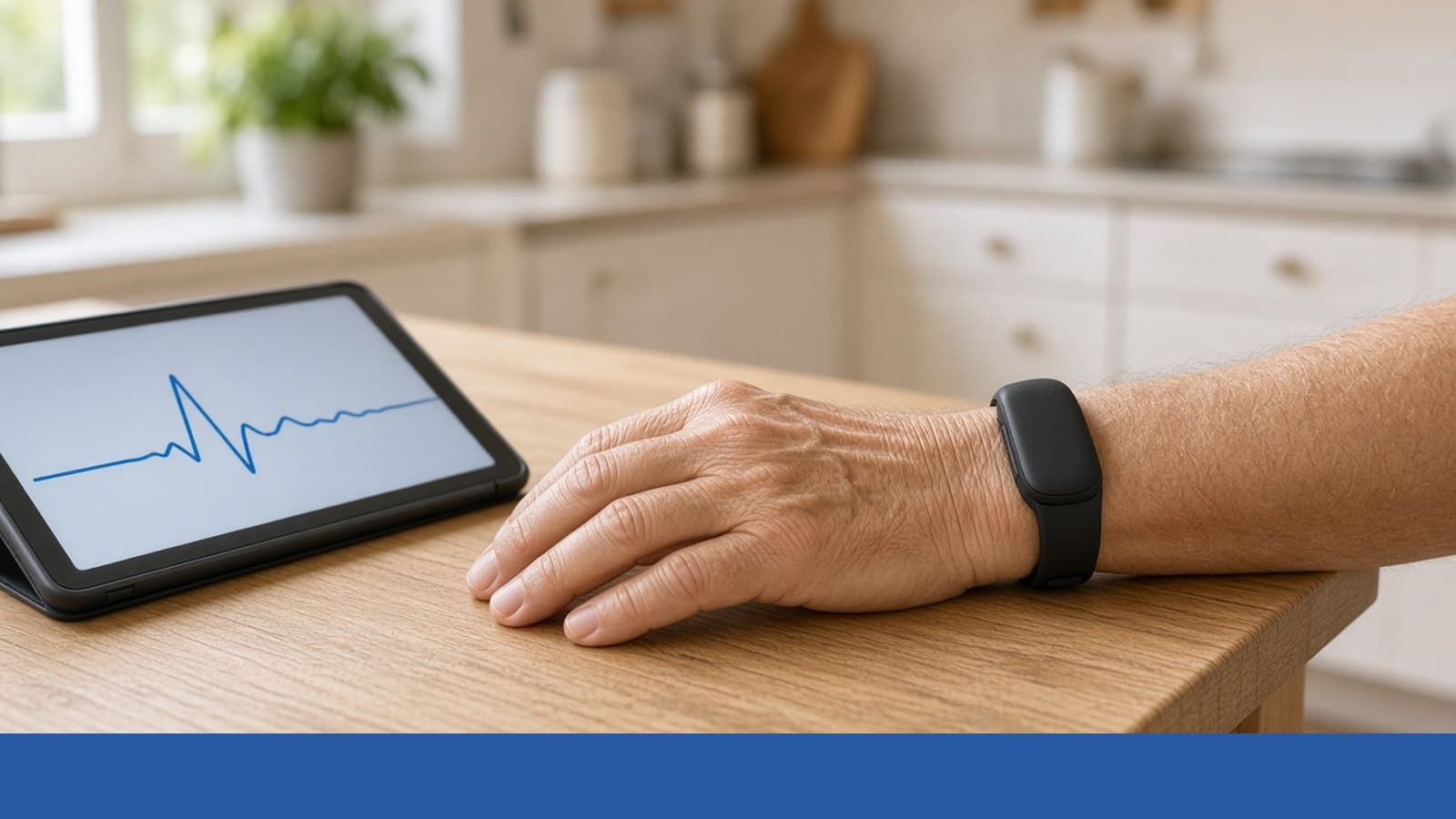
Remote Patient Monitoring (RPM) is becoming one of the most valuable tools in modern health care. As more patients manage chronic and acute conditions from home, RPM gives providers the ability to receive real-time health data and make informed treatment decisions—without requiring frequent office visits.
What Is Remote Patient Monitoring?
Remote patient monitoring allows individuals to collect their own health data—such as blood pressure, weight, or glucose levels—using a connected medical device. This device automatically transmits the information to their health care provider. The provider then uses this data to remotely monitor and manage the patient’s condition.
The 3 Key Components of RPM
- Education and Setup
Patients are taught how to use the connected device and how their data will be transmitted.
- Device Supply
RPM requires an internet-connected medical device—such as a Bluetooth blood pressure cuff, scale, or pulse oximeter—that meets FDA requirements and collects at least 16 days of readings every 30 days.
- Treatment and Management
Providers must review the transmitted data and use it to manage the patient’s condition, such as adjusting medications or addressing new symptoms.
What Does Medicare Cover?
Medicare broadly covers remote patient monitoring for chronic and acute conditions when data is collected using an FDA-approved device.
Who Is Eligible?
A patient qualifies when:
– They have a condition requiring monitoring
– They use an FDA-defined medical device
– Data is transmitted at least 16 days per 30-day period
Example: How RPM Works
- A patient has hypertension.
- The providerdeterminesRPM is medically necessary and obtains consent.
- The provider supplies a connected blood pressure cuff.
- The patient is educated on its use.
- The patient regularly takes readings that are automatically transmitted.
- The provider reviews the data and adjusts treatment as needed.
How Do Providers Bill for RPM?
Medicare offers procedure codes representing the setup, device supply, and treatment/management components. Each is billed separately, and the ordering provider does not need to be listed on the claim.
Newsletter
Insights in your inbox
New articles on healthcare law and revenue cycle, sent through the firm newsletter.
This article is educational. It is not legal advice and does not create an attorney-client relationship. Facts, contracts, and appeal windows control the next step.